AI DMS for Car Dealers: What an AI Dealer Management System Does
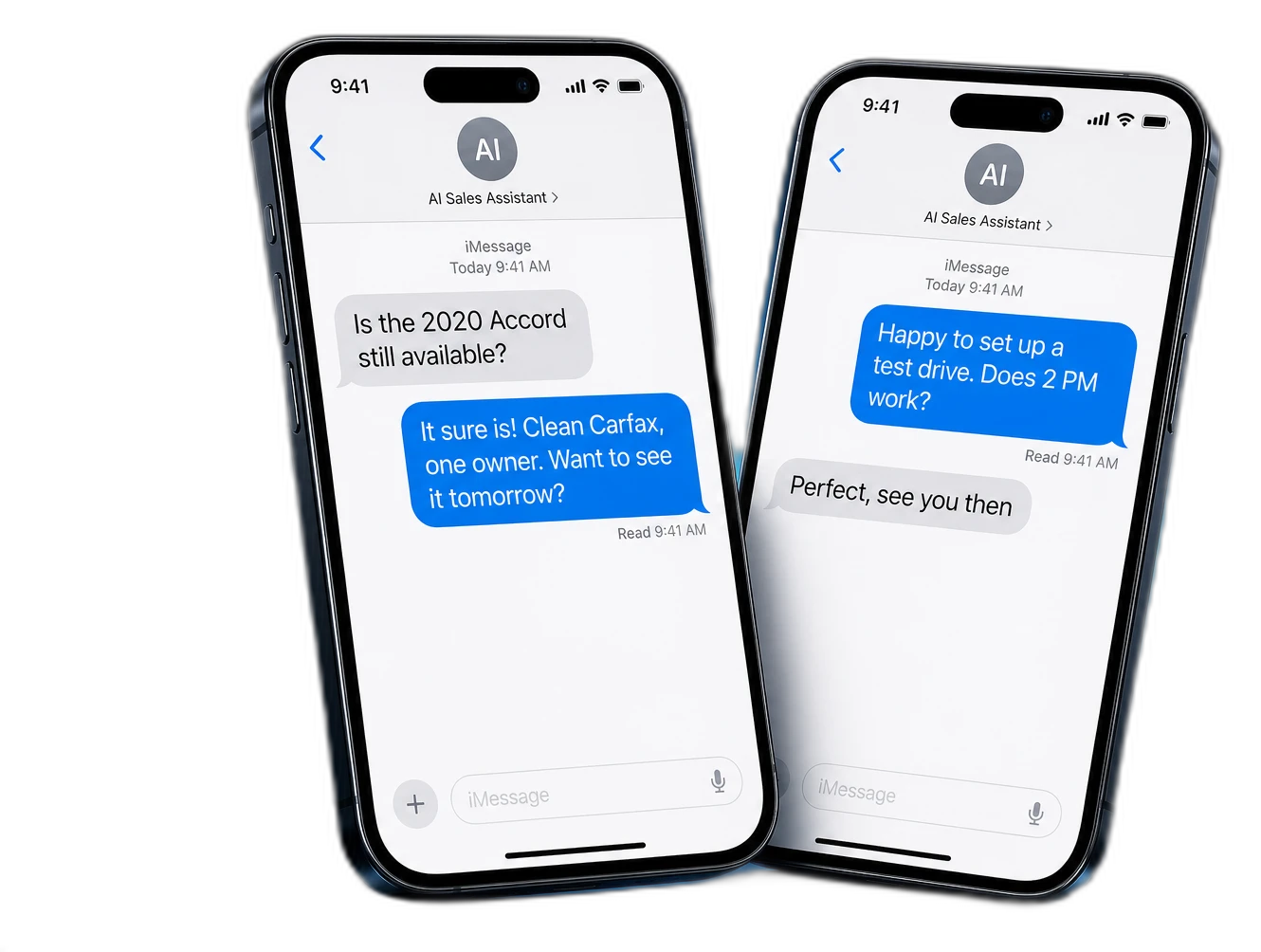
A dealer management system runs your inventory, deals, financing and accounting. An AI DMS adds an AI assistant that works from that same record. At Get My Auto that assistant is Ava: she answers a lead in seconds with photos and listing links, books the test drive and logs the whole conversation to your CRM. The CRM and Ava are $695 a month after a 60-day free trial; the DMS is added on a demo.
What an AI DMS Is for a Car Dealership
Published November 2026. Written by the Get My Auto product team, the people who build the DMS, the CRM and Ava. A dealer management system (DMS) is the software that runs a dealership's inventory, deal structuring, financing, accounting, compliance and reporting. An AI DMS is that system with an AI assistant working from the same record: it reads the live inventory and the customer's history, talks to the shopper, books the appointment and writes the conversation back where the desk can see it.
In a car dealership, DMS means dealer management system. It is not AI document management software, not the driver-monitoring camera in a vehicle cabin and not a database migration tool, all of which share the acronym and crowd the search results. This page is about the system that runs a car lot.
At Get My Auto the DMS keeps the record and automates routine tracking such as compliance checks, fraud flags and scheduled reports. Ava is the AI that answers leads from that same inventory and customer record. Here is what a dealer should expect an AI DMS to do:
- Answer a new lead in seconds, at any hour, by text, email or website chat
- Pull real vehicles from live inventory and send the photos, the listing link and the history report for each one
- Book, reschedule and cancel test drives without a rep touching the calendar
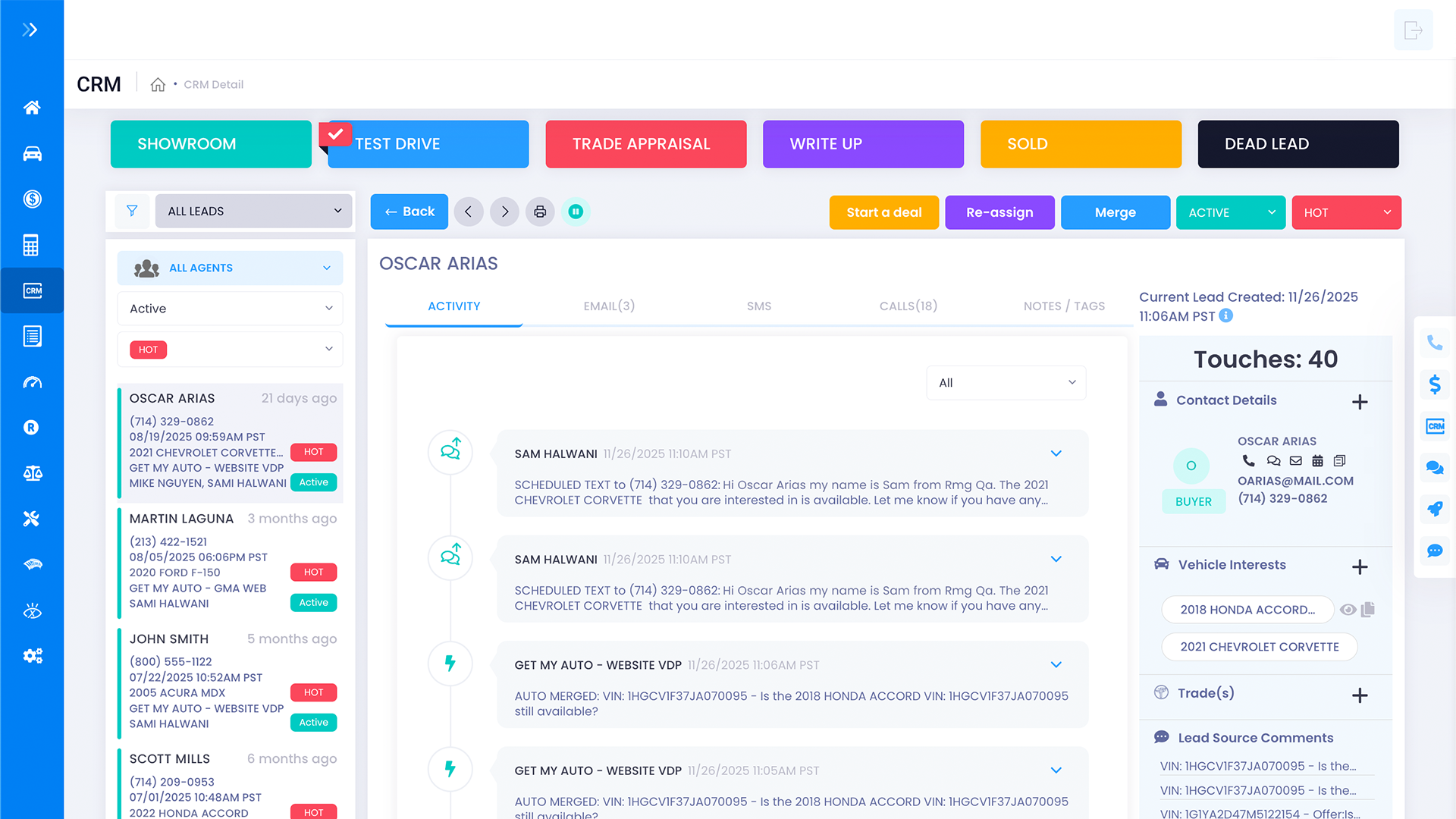
- Log every conversation and appointment to the CRM, so the next person who picks up the lead sees the whole thread
- Hand a hot or complicated lead to a salesperson instead of guessing
One Record From the First Text to the Accounting Entry
The common way a store gets AI today is a separate vendor's bot connected to the DMS through an integration. The bot often answers from a synced copy of the inventory, the appointment usually lands in a second calendar, and somebody re-keys the customer when the deal is desked. It works, until the two systems disagree.
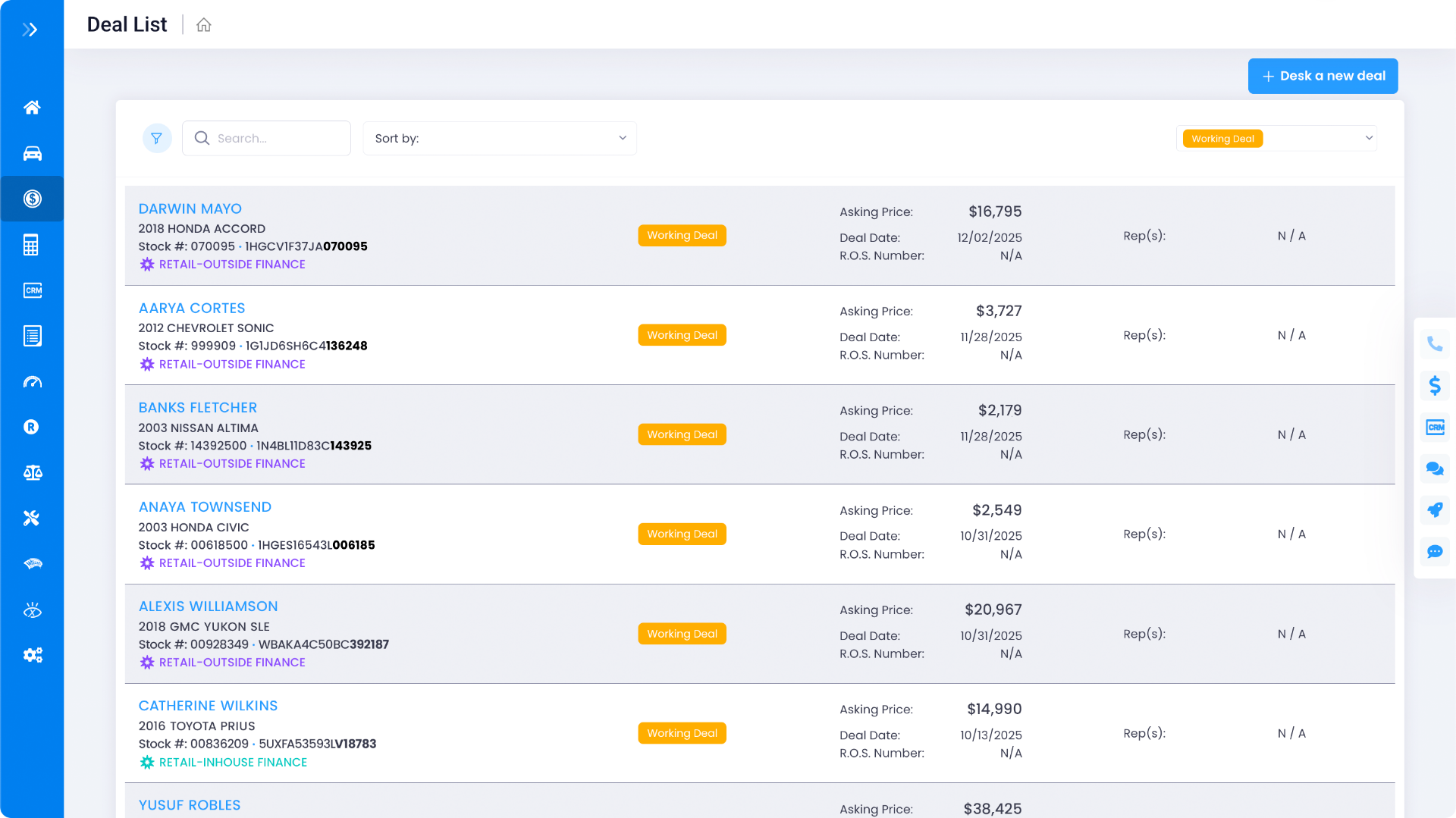
Here is the same lead on the Get My Auto path. A shopper asks about a truck at 11 pm from a marketplace listing, an ad or your website. Ava reads the live inventory record and replies by text with photos, the listing link and the history report for the units that match. The shopper asks about payments, trade-in and fees, and Ava answers. They pick Thursday at 5, and Ava books the test drive. The conversation and the appointment are written to the CRM. In the morning the salesperson opens a complete thread and desks the deal on the DMS worksheet with the customer already in the system. Forms, the credit pull, the lender submission, the title work and the QuickBooks entry follow from the same deal.
There is no connector in that chain because the DMS, the CRM and Ava share one data layer. The AI that answers the lead already knows the inventory and the customer history, with no integration project between vendors and no integration fee. Three things follow from that:
- What the three products share: the vehicle, the customer and the deal history
- What nobody re-enters: the customer, the vehicle or the appointment
- What a dealer stops paying for: a connector project and a second support queue
What Ava Does From the Dealer Record
Ava is Get My Auto's AI sales assistant. She works leads by text, email and website chat, in English, Spanish and more, from the same inventory and customer record the DMS and the CRM use.
From the shopper's side it feels like a sharp salesperson who never sleeps. A question about a specific truck gets photos, the listing link and the history report for that truck, not a canned reply. A request for Thursday gets a follow-up on Thursday. A no-show gets rescheduled. On the record side, every one of those actions is tied to a real vehicle and a real customer:
- Reads live inventory and sends photos, listing links and the history report for the units that match what the shopper asked for
- Books, reschedules and cancels test drives, and writes each one to the CRM
- Follows up on the day the customer named, and revives aged leads that were sitting in the CRM
- Answers financing, trade-in, fee and availability questions in English, Spanish and more
- Hands a hot or tricky lead to a salesperson with the thread already logged
The Honest Limit: Ava Does Not Take Phone Calls Yet
When a customer calls the store, Ava receives the call or voicemail transcript so her follow-up already knows what was said, and a person makes the call back. Voice is next on the roadmap. What the salesperson sees in the CRM the next morning is the thread, the appointment, the vehicles that were sent and the hand-off note. The full list of what Ava does for a dealership, including CoPilot and the content tools, lives on the Ava page linked at the bottom of this one.
Record, Automation, AI: The Three Layers of a Dealership System
A dealership system has three layers, and most sales decks blur them. Layer one is the record: inventory, deals, customers, accounting and titles. Layer two is automation: rules you set that run the same way every time. Layer three is AI: open-ended work on language and judgment. When you know which layer a feature sits in, you know what you are paying for.
The record is what the Get My Auto DMS keeps, and it is where the deal gets done. One line each:
- Desking on one screen: pricing, trade, financing, taxes and fees, with Retail Cash, Retail Financed, Wholesale and BHPH deal types
- State forms and LAW and Bankers retail installment contracts printed from the deal, with the fields filled from the deal and the CRM
- Credit pulls from Experian, Equifax and TransUnion, including soft pulls, from the deal screen
- Deal packages sent to the lender portals your store already uses, with the responses tracked as they arrive
- Electronic title and registration work and temp tags handled from the same record
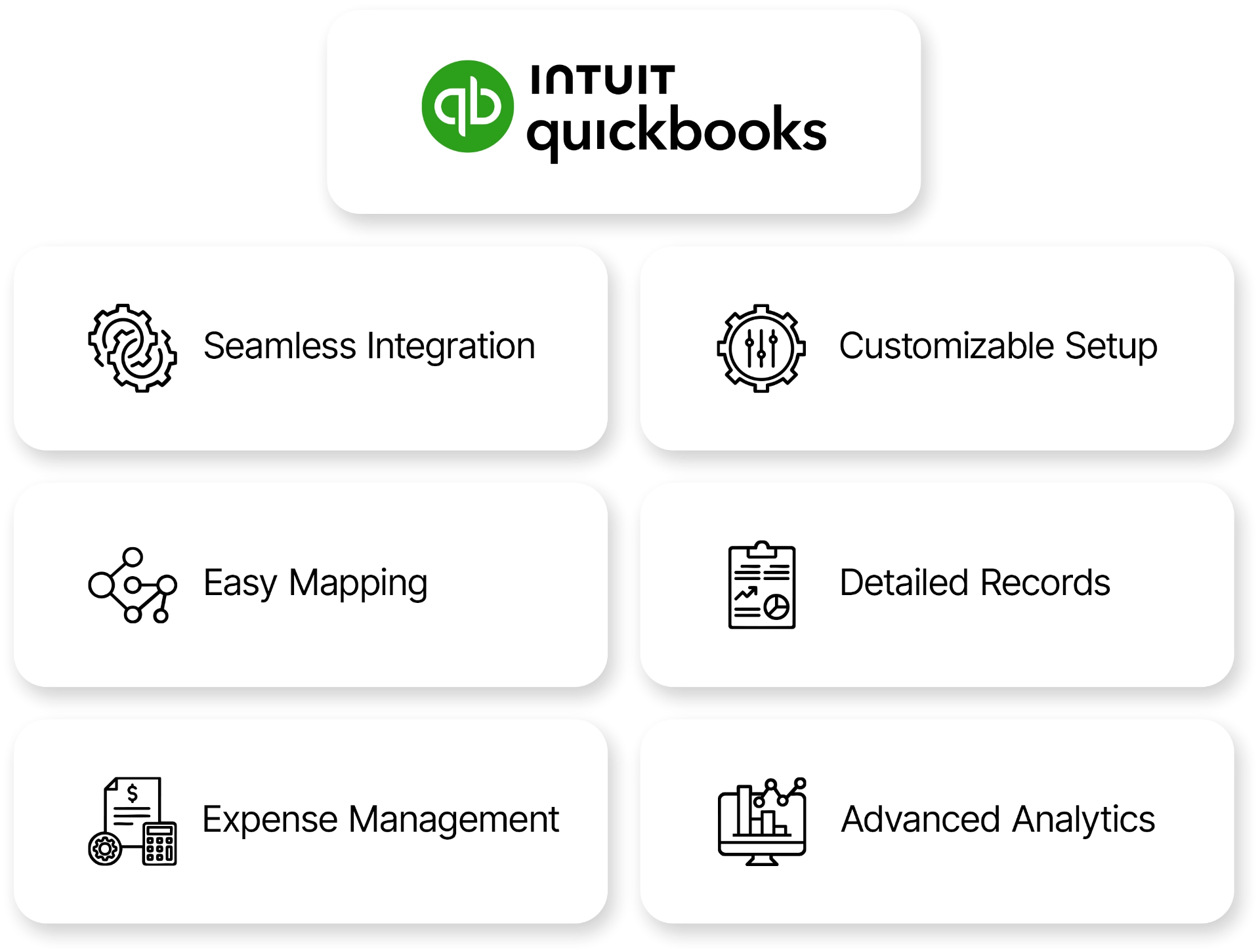
- Transactions moved into QuickBooks against your own chart of accounts
- In-house financing with a customer payment portal and a collections workflow for buy here pay here stores
Automation Is Not AI, and We Do Not Call It That
The second layer is automation. Each of these is a rule the DMS runs the same way every time, and a person reads the result and decides. They save hours. They are not artificial intelligence, and a vendor who labels them as AI is describing the wrong layer.
- Compliance checks built into the deal workflow that surface items for review
- Flags on suspicious transactions, raised for a person to look at
- Reports that generate and send on a daily, weekly or monthly schedule
- Payment reminders by email and text for in-house accounts
- Lender responses tracked as they come back
What an AI DMS Is Not: A DMS With a Chatbot Bolted On
Three different things get sold under the AI DMS label. One is a traditional DMS with a chat widget or a third-party texting bot connected through an integration; the bot works from whatever its integration gives it, not from the deal record itself. Two is a staff-facing assistant that drafts listings and messages for your people but never talks to a shopper. Three is an AI that works from the dealer record itself and faces the customer.
The tell is where the data lives and who the AI talks to. If the AI needs an integration project to know what is on your lot, it is bolted on. If it only helps staff write, it is a writing tool. If it answers the shopper from live inventory and the conversation lands in the CRM without anyone copying it over, it is an AI DMS in the sense this page uses.
You will see the same idea sold as an AI-powered DMS, an AI-driven dealer management system, an AI-native DMS, a dealer management system with AI or an AI automotive DMS. The labels matter less than the demo test further down this page.
One point of candor. The Get My Auto DMS itself is not artificial intelligence. It is the system of record, built on an engine independent dealers have run for more than two decades, and Ava is the AI that works from it. The three tiers, in one line each:
- Bolt-on: a DMS plus another vendor's bot, joined by an integration that has to be built, mapped and kept in sync
- Writing tool: an assistant that helps your staff draft listings and messages and never speaks to a customer
- AI DMS: an AI that reads the dealer record, talks to the shopper and writes the conversation back to the CRM
Seven Things to Make Any AI DMS Demo Prove With Your Own Cars and Leads
Bring a real lead and a real VIN from your lot, and ask for these seven things in order. Every test depends on your data, not a sample lot, because a demo on sample data proves only that the demo works.
- 1. Send a lead from your own phone against a car on your lot and watch the clock. The reply should arrive in seconds and name a real vehicle.
- 2. Ask the AI a specific question about that VIN, such as the price, the photos or the history report, and check the photos and the listing link against your own listing.
- 3. Have the AI book a test drive, then open the CRM in front of you and find the appointment and the full thread, not a summary typed in later.
- 4. Ask what happens when the customer's question is one the AI should not answer alone. The right answer is a hand-off to a named salesperson, not a loop.
- 5. Switch to Spanish in the middle of the conversation.
- 6. Desk that same customer on the DMS worksheet and confirm the record is already there. Then ask where the AI's inventory data comes from and how often it refreshes, because 'it is the same record' is a different answer from 'nightly'.
- 7. Follow the sale to the accounting entry and ask what had to be re-entered along the way, and who you call when the AI and the DMS disagree. One vendor or two is the whole difference between built in and bolted on.
What the AI in an AI DMS Does Not Do
Ask any vendor what its AI will not do and expect a plain answer. Ours: Ava's job is the conversation and the calendar. Desking the deal, pulling credit, submitting to lenders, printing contracts, titling the vehicle and posting to accounting are functions your people run in the DMS, with automation handling the repetitive parts. A chatbot passes one or two of the seven tests above; an AI DMS in the sense this page uses passes all seven, and still leaves the deal to your team.
Ava does not take phone calls today. She reads the call and voicemail transcripts so the follow-up is informed, and a salesperson makes the call.
Ava hands a hot or tricky lead to a person, and every message she sends is logged, so a manager can read any thread at any time. Nothing happens in a side channel.
The DMS automation has limits too. Compliance checks and fraud flags surface items for review, and a person decides. Scheduled reports deliver the numbers, and a person acts on them. An AI DMS is a tool for a dealership's staff, not a replacement for them.
Who an AI DMS Fits: Independent, Used-Car and Buy Here Pay Here Dealers
Most of the AI DMS conversation in the trade press is about franchise groups and manufacturer networks. An independent lot with one to three salespeople has a simpler need: no lead sits unanswered, and nothing has to be typed twice. That is the dealer this page, and this product, is written for.
The Get My Auto DMS is built on the AutoXplorer engine, a dealer management system independents have run for more than two decades. Get My Auto acquired it in 2022, and the team that built it is still building it. The fit facts, in short:
- Runs in any modern browser on desktop, tablet or phone, with nothing to install
- Four deal types, including BHPH, on the same desking screen
- LAW and Bankers retail installment contracts and the forms for every state
- In-house financing with a customer payment portal and a collections workflow with automated email and text reminders
- English and Spanish on the AI side, from the first text
- Most dealerships are live in one to two business days, with no charge for onboarding
Where the Fit Is Weaker Today
Two kinds of stores should look closely before switching. A group that needs the AI to answer inbound phone calls will be waiting on the voice roadmap. And a franchise store whose manufacturer mandates a specific DMS has a decision that no AI feature changes. For everyone else on an independent lot, the test is the seven-step demo above.
Compliance and Data When an AI Texts From the Dealer Record
Two rules shape AI messaging at a dealership. Under the Telephone Consumer Protection Act and the FCC's rules at 47 CFR 64.1200, marketing texts sent by an automated system need the customer's prior express written consent, and a stop request made by any reasonable means, including replying 'stop', must be honored promptly and in no case later than ten business days. The FTC Safeguards Rule covers dealers that extend credit or arrange financing as non-bank financial institutions; it requires a written information security program, a qualified individual to run it, encryption of customer information at rest and in transit, access controls and multi-factor authentication, with the amended requirements in force since June 9, 2023.
In an AI DMS those rules get easier to live with, for one reason: the AI works from the customer record, so consent and opt-out status live in one place, and because every conversation is logged, a manager can produce the thread for any customer on request.
What the Get My Auto system provides toward that: every Ava conversation logged to the CRM, compliance checks built into the deal workflow, an encrypted document archive with a full audit history, and user permissions you set per role.
Compliance remains the dealer's responsibility, and this page is not legal advice. The FTC and the FCC publish the rules, and your counsel should read them with you.
What an AI DMS Costs for an Independent Dealer, and How to Start
Get My Auto publishes one price. The CRM and Ava together are $695 a month after a 60-day free trial, started on the trial page. Your card is not charged for 60 days, and you can cancel anytime. The trial package includes:
- Ava website chat
- AI lead response by text and email, around the clock, in English and Spanish, that sets appointments
- The full automotive CRM for one user
- 5,000 text blasts a month
- A tool for reviving dead leads
- Setup and training
Why the DMS Is Quoted on a Demo
The DMS is quoted on a demo because desking, BHPH, forms and accounting needs differ by store, and it is added to the CRM and Ava package rather than sold in the trial. There is no separate integration fee for Ava, because she is native to the platform, and integrations such as QuickBooks, the credit bureaus and lender submission are part of the platform rather than add-ons with their own fees and logins.
Most dealerships moving to the DMS are migrated and live in one to two business days. Migration is handled for you, the whole team is trained, and onboarding is included at no charge. Bring a real lead and a real VIN to the demo, and run the seven tests.
The AI DMS in a car dealership, screen by screen
Traditional DMS vs DMS With Bolt-On AI vs AI DMS on One Record
| Traditional DMS | DMS with bolt-on AI from another vendor | AI DMS on one record (how Get My Auto is built) | |
|---|---|---|---|
| Where the vehicle, customer and deal live | In the DMS | In the DMS, with the AI vendor's integration reading from it | In one record the DMS, the CRM and Ava all read |
| Who answers a new lead at 11 pm | Your staff, during business hours | The AI vendor's bot, from its integration | Ava, from live inventory, in seconds |
| What the AI can see | No AI | Whatever its integration pulls, synced or on request | Live inventory and the customer history |
| How a conversation reaches the CRM | Someone types it in | Depends on the connector | Logged automatically, every time |
| Appointment booked by the AI | Not applicable | Usually written to the vendor's calendar, then synced or re-keyed | Written to the CRM; the deal desk sees the same customer |
| Work before the AI goes live | None, there is no AI | An integration project: field mapping, sync testing | None between the three products |
| Who you call when something breaks | Your DMS vendor | Two vendors, each pointing at the other | One vendor |
| Languages the AI speaks | None | Varies by bot | English, Spanish and more |
| When the AI reaches its limit | Not applicable | Varies; ask to see the hand-off | Hands the lead to a salesperson |
| What a person still does | Everything | Run the deal in the DMS; reconcile two systems | Run the deal in the DMS; take phone calls (Ava reads the transcripts) |
| How pricing is usually presented | Quote on request | DMS quote plus a separate AI subscription | Published CRM + Ava price; DMS quoted on a demo |
Frequently Asked Questions
What is an AI DMS for a car dealership?
An AI DMS is a dealer management system, the software that runs a dealership's inventory, deals, financing, accounting, compliance and reporting, whose record is read and acted on by an AI assistant. At Get My Auto the DMS keeps the record and automates routine tracking, and Ava is the AI that works leads from that same inventory and customer record: she answers shoppers, sends photos and listing links, books test drives and logs every conversation to the CRM.
Is an AI DMS the same as an AI CRM or AI document management software?
No to both. In the car business, DMS means dealer management system: it runs operations and transactions. A CRM runs follow-up and relationships; at Get My Auto both sit on one record, so Ava's conversations land in the CRM and the deal lands in the DMS. AI document management tools file paperwork for offices, and a driver-monitoring system is a camera in a vehicle cabin. If a result is about contracts in folders or in-car cameras, it is a different DMS.
What is the difference between automation and AI in a dealer management system?
Automation follows a rule you set: a compliance check in the deal workflow, a flag on a suspicious transaction, a report that lands in your inbox every Monday, a deal entry that moves into QuickBooks. AI handles open-ended work: reading a shopper's message, picking the right vehicles from live inventory, answering in English or Spanish, and deciding when to hand the lead to a person. Get My Auto's DMS does the first; Ava does the second, and we do not call the first AI.
Does the AI change deals, titles or accounting on its own?
Ava's job is the conversation and the calendar: replying to leads by text, email and chat, sending photos and listing links, setting and rescheduling test drives and following up on the day the customer asked for. Deal structuring, forms, credit pulls, lender submission, titling and accounting entries are functions your team runs in the DMS. When a lead is hot or complicated, Ava hands it to a salesperson rather than guessing.
Where does the AI get its answers, and does it see live inventory?
Ava works from the same inventory, deal and customer record the DMS and CRM use. When a shopper asks about a vehicle, she pulls from the live inventory and sends photos, listing links and the history report for the units that match. Ava, the CRM and the DMS run on one shared data layer, so there is no connector between products, and what she tells the customer is what your desk sees.
Does the AI log every conversation to the CRM?
Yes. Every Ava conversation is logged to the CRM automatically, along with the appointments she sets, so the salesperson who picks up the lead opens a complete thread rather than a summary typed in later. Logging is also what makes the AI auditable: a manager can read what was said to any customer, when, and on which channel. It is the first thing to check on any AI DMS demo.
Does the AI in an AI DMS answer the phone?
Not today. Ava works leads by text, email and website chat. When a customer calls the store, she receives the call or voicemail transcript so her follow-up already knows what was said. Voice is next on the Ava roadmap. Any vendor that says its AI covers every channel should show you a live call on your own number during the demo.
Is AI texting from a dealership system compliant with the TCPA and the FTC Safeguards Rule?
Compliance is the dealer's responsibility, and the system should make it easier. Under the TCPA and FCC rules, marketing texts sent by an automated system need prior express written consent, and a stop request must be honored promptly, never later than ten business days. The FTC Safeguards Rule covers dealers that arrange financing and requires a written security program, encryption, access controls and multi-factor authentication. Get My Auto logs every Ava conversation, builds compliance checks into the deal workflow, stores documents encrypted with an audit history, and lets you set user permissions. This is not legal advice.
Can I run an AI assistant with the DMS I already have?
You can connect an AI to another vendor's DMS, but expect an integration project, a gap between what the AI knows and what your desk sees, and two support teams when something breaks. Ava connects to your lead sources and your website on day one, and when she runs with the Get My Auto CRM and DMS the data is already shared, with no connector in between and no separate integration fee.
What does an AI DMS cost for an independent dealer, and how long does setup take?
Get My Auto publishes one price: the CRM and Ava together are $695 a month after a 60-day free trial on the trial page, cancel anytime. The DMS is quoted on a demo because the price depends on what your store needs, such as BHPH collections or titling, and it is added to the package rather than sold in the trial. Most dealerships moving to the DMS are migrated and live in one to two business days, with onboarding included at no charge.
Does an AI DMS work for buy here pay here dealers?
Yes. The Get My Auto DMS includes in-house financing with a BHPH deal type, a customer payment portal for online payments and real-time payoff amounts, and a collections workflow with automated payment reminders by email and text, promise-to-pay tracking and delinquency buckets. Ava works the front of that funnel, answering leads and booking appointments, while the DMS carries the note after the sale.
How do I test an AI DMS in a demo?
Ask to see it running on your own vehicles and lead sources. Send a lead from your phone and time the reply. Ask for a specific unit and check that the photos and link match a car on your lot. Book a test drive, then open the CRM and find the logged conversation. Switch to Spanish. Ask who you call when the AI and the DMS disagree. An AI DMS passes all of these; a bolted-on chatbot passes one or two.
Want the full product tour of the dealer management system itself? See the DMS page
AI DMS for Car Dealers, in Plain Terms
For a car dealer, an AI DMS is a dealer management system plus an AI assistant that reads its record. The DMS keeps the vehicle, the customer, the deal and the ledger. The AI uses them to talk to shoppers, book appointments and write back what was said.
A DMS and a CRM are different systems, and an AI DMS does not merge them. The DMS runs operations and transactions; the CRM runs follow-up and relationships. At Get My Auto both sit on one record, so the AI's conversations land in the CRM and the deal lands in the DMS without re-keying. One test separates a real AI DMS from a chatbot with a connector: where the data lives, who the AI talks to, and where the conversation ends up.
The practical questions are where the AI gets its answers, where its conversations are logged, what it will not do and what it costs. For Get My Auto the answers are live inventory, the CRM, no phone calls yet and a job limited to the conversation and the calendar, and $695 a month for the CRM and Ava after a 60-day trial, with the DMS quoted on a demo.
See it on your own leads
Book a quick demo and we will show you how Get My Auto works for a store like yours.